Loyalty Data Privacy and Security: How to Win Trust in a Privacy-First Era
Let’s be honest, loyalty programs are kind of a data goldmine. But with great data comes great responsibility. In today’s privacy-first era, the stakes of managing customer data go far beyond hefty legal fines, and businesses can’t afford to treat it like an afterthought.
From first-party cookies to social sign-ups, today’s consumers expect personalization, but they demand transparency and data protection from the brands they support even more. So, how do you strike the right balance between personalized marketing strategies and robust privacy policies?
Let’s dig in.
Why Loyalty Data Privacy and Security Matter More Than Ever
Consumers love loyalty programs, but only when they trust them. And trust is hard-won and easily lost.
We live in an age where data breaches make headlines weekly. When customers hand over consumer data like emails, birthdays, and purchase history, they expect that data to be handled with care. But increasingly, they’re asking:
- “How is my data being used?”
- “Who has access to it?”
- “Will I lose benefits if I don’t share all my information?”
This shift is leading businesses to embrace data privacy and security measures not just as legal requirements, but as brand-building opportunities.
What’s Fueling the Privacy-First Movement?
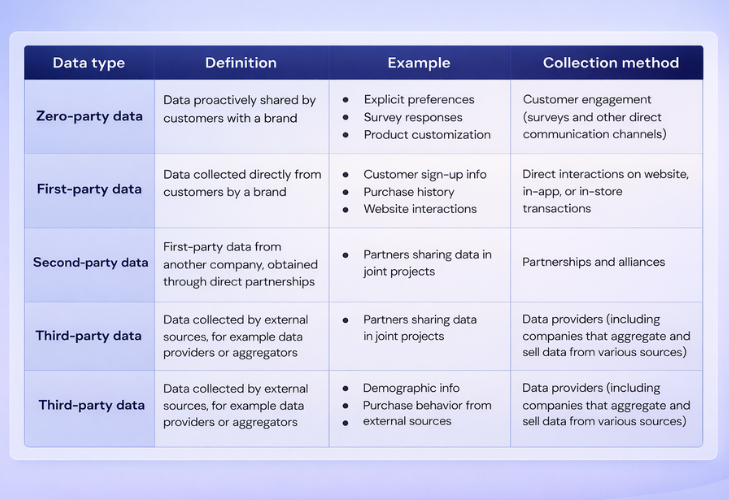
Thanks to laws like GDPR, CCPA, and Virginia’s CDPA, companies must now disclose how they collect, store, and share data. These privacy laws require detailed, easy-to-read privacy policies that specify what kind of data is collected, be it first-party, second-party, or third-party data, and how it’s used.
Increased Consumer Awareness
Today’s customers are savvier. According to Forbes, many people will abandon a brand if they feel their privacy concerns aren’t taken seriously.
Big Tech Changes
With third-party cookies on the decline and Apple’s Mail Privacy Protection (MPP) and App Tracking Transparency (ATT) features limiting access to behavioral data, brands are rethinking how they collect customer information. Loyalty programs are now a vital channel for gathering consent-based, first-party data.
Building Trust Through Data Privacy in Loyalty Programs
Here’s how you can build trust, stay compliant, and still drive customer loyalty.
Practice Transparent Data Collection
Only collect what’s necessary and let customers know why. Whether it’s email addresses, ZIP codes, or purchase history, be clear about how it enhances the customer experience.
Use this moment to introduce zero-party data strategies, as Epsilon explains. Ask customers to voluntarily share preferences in exchange for more tailored perks.
Tip: Always include a “Why we need this” explainer next to form fields on your loyalty sign-up.
Fortify Your Security Measures
Your tech stack should protect customer data as fiercely as your brand builds customer love.
Implement:
- Regular security audits.
- Multi-factor authentication.
- Data encryption.
- Anonymization protocols.
These robust security measures show you’re serious about protecting data, not just collecting it.
Tip: Auditing your systems quarterly is key to minimizing security risks and demonstrating regulatory compliance.
Keep Your Privacy Policy Clear and Clickable
Your privacy policy shouldn’t read like a law school exam.
Make it:
- Visible (link in your loyalty emails and app).
- Scannable (bullet points and headers).
- Actionable (opt-in/opt-out options).
Tip: Separate general site use from loyalty-specific privacy notices to demonstrate compliance and your commitment to transparency.
Audit Third-Party Data Relationships
If you’re working with outside vendors (email providers, CRMs, analytics tools), they must also comply with privacy regulations. Many data breaches happen through poorly secured third-party data handlers.
Ask for their security certifications and make sure your privacy policies align.
Use Social Media Responsibly
Yes, you want to stay connected, but avoid oversharing. Syncing loyalty data with social networks should be opt-in only and explained clearly. For example:
“We use your social account to personalize your rewards experience. Your data will never be sold or shared.”
This upfront clarity builds loyalty by protecting customer privacy.
Loyalty Data Privacy and Security in Action: Real Examples
Example 1: Sephora gives customers a dashboard where they can manage their data preferences and privacy settings, aligning with best practices from GDPR.
Example 2: Starbucks implements in-app permissions that clearly show how user data fuels personalized rewards, an example of ethical data collection done right.
Example 3: Nordstrom allows loyalty members to view, edit, and delete their personal data, offering transparency and control that directly supports customer trust.
FAQs: Data Privacy and bLoyal
Q: What type of customer data does bLoyal store?
A: bLoyal stores loyalty-related customer data like purchase history, program status, point balances, marketing preferences, and customer profiles, all encrypted and protected.
Q: Who owns the data?
A: You do! bLoyal customers retain full ownership and control of their data at all times.
Q: Can I export or delete my data?
A: Yes. Our system makes it easy to fulfill DSARs, export profiles, or delete personal data to remain compliant with privacy laws.
Q: How does bLoyal help me stay compliant?
A: We offer built-in tools for consent tracking, data exports, DSARs, secure communications, access management, and clear privacy policy integration into all customer-facing touchpoints.
Q: Does bLoyal share customer data with third parties?
A: No. We do not sell or share data. All third-party integrations (like POS or CRM systems) are secure and privacy-compliant.
Q: Can I monitor data usage across my organization?
A: Yes. Admin-level users can track activity logs and audit trails within the system to ensure transparency and accountability.
Q: What if there’s a data breach?
A: We have proactive alerting systems and incident response protocols. Plus, you’ll have full visibility into platform access and activities.
Wrapping Up
In a time when privacy concerns are rising and attention spans are shrinking, winning customer loyalty comes down to one word: trust.
By being transparent, compliant, and proactive about data and security measures, you’re not just protecting your business, you’re elevating the customer experience.
So, the next time someone signs up for your loyalty program, make sure they know they can rely on you to keep their information safe and used responsibly. Because in the end, data security isn’t just IT’s job; it’s everyone’s business.
Need help managing loyalty data with privacy in mind?
At bLoyal, we make it easy to personalize experiences and stay fully compliant… all in one powerful platform.